Quick question – what if we say that routine health screening can save your life? Every year, millions of lives are lost to diseases that could have been prevented or detected early. WHO states that non-communicable diseases like cancer, diabetes, cardiovascular disease, and so on are accountable for 68% of all deaths in India.
Many people tend to seek medical attention only when symptoms emerge, at which stage the disease has progressed to a level where treatment becomes more complex, expensive, and less effective. Preventive healthcare lets you take control of your health before the disease starts controlling you. With early screening, you can identify risks beforehand and take proactive measures to improve your quality of life, reduce healthcare costs, and extend your lifespan.
Why Preventive Health Checkups Are Important?
Regular screenings are the foundation of preventive healthcare. According to WHO, 30-40% of cancer deaths can be avoided with preventive screening. A report by the World Heart Foundation mentions that 80% of cardiovascular diseases are preventable. These stats clearly define how the mortality rate drops the earlier the disease is detected, thereby highlighting the cruciality of timely testing.
So, why should one undergo regular health screenings? Let’s unpack this in detail.
1. Early Detection of Diseases:
Health conditions like cancer, hypertension, diabetes, progress silently in their early stages, showing zero to mild symptoms. Routine screening will detect structural and physiological changes in the body, leading to early intervention and management.
2. Reduces Healthcare Costs:
As a disease progresses, a more advanced, cost-intensive treatment protocol may be required due to hospitalizations and complex medical procedures. Preventive healthcare nips diseases in the bud, lowers treatment costs, and significantly reduces the financial burden on the patient.
3. Adapting a Healthier Lifestyle:
After reviewing the results of your assessment, a physician may guide you on ways to improve your diet, lifestyle, physical activity, and stress management. These holistic practices will contribute to better physical and mental health.
4. Better Management of Chronic Conditions:
Chronic health conditions like diabetes and cancer need regular screening to monitor how the disease is progressing, whether it is causing any complications, and to check whether the ongoing treatment protocol is working as intended or not. This allows the physician to adjust the ongoing treatment plan as needed.
5. Screening For Genetically Inherited Diseases:
If you have a history of genetically inherited diseases in your family, regular screenings will help you identify risk factors and take preventive measures to protect yourselves from the same.
Preventive Health Screenings: Recommended Tests You Shouldn’t Miss:
Preventive health screening is not a “one size, fits all” scenario. Your body experiences physiological and structural changes with age, gender, and pre-existing health conditions. The tests you need will vary based on these factors. First, let’s see the basic assessments that are a part of a general health checkup:
- Clinical Evaluation of the Patient: Patient’s medical history, family history, diet, and lifestyle habits.
- Checking the Vital Signs: Patient’s blood pressure, pulse rate, height, weight, BMI.
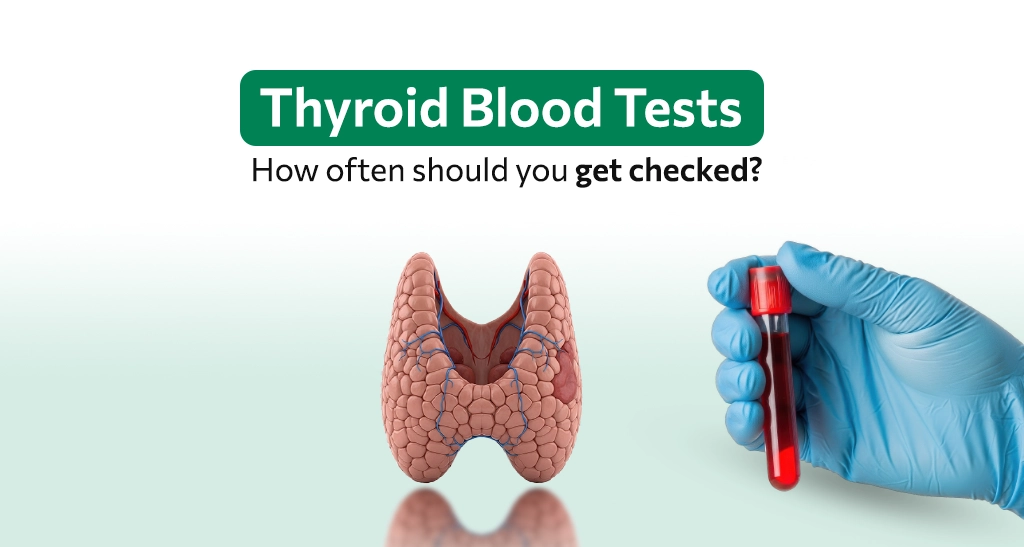
- Laboratory Tests: Basic blood tests like CBC, blood glucose, lipids, thyroid, LFTs, and KFTs.
- Diagnostic Scans: Xray, ECG, Ultrasounds.
Here are a few recommended tests that you can include as a part of your preventive health screening based on your age group:
1. Age between 20-30:
- The best period to establish your health baselines and to catch any abnormalities at an early stage.
- Recommended tests:
- Complete Blood Count (CBC)
- Blood Sugar (Fasting)
- Lipid Profile (Highly advised for those with family history of cardiac disease)
- Thyroid Profile (Mainly for women)
- Vitamins D and B12
- Advised to do every 1 or 2 years.
2. Age between 30-40:
- This is the phase where the impact of your lifestyle starts showing up in your health stats.
- In this age, you need to start including more tests in addition to the ones you had done in your 20’s.
- Recommended tests:
-
- Diabetes Screening (HbA1c)
- Liver Function Tests (LFTs)
- Kidney Function Tests (KFTs)
- Additionally for women, include:
- Advised to do annually.
3. Age between 40-50:
- The risk of developing lifestyle diseases gets significantly higher with age.
- This is the time to include regular cardiac and cancer screenings.
- Recommended tests:
-
-
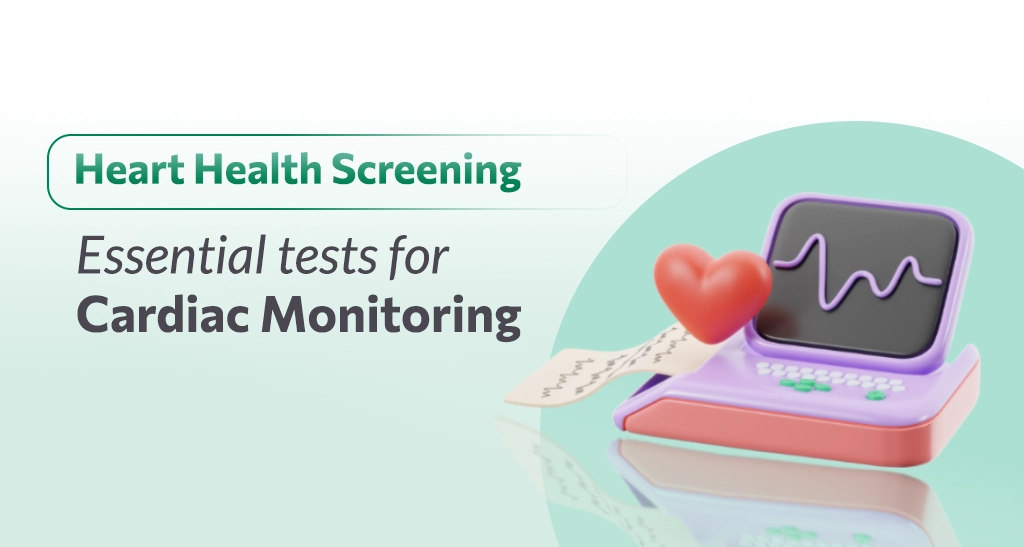
- Cardiac tests (ECG, Echo)
- USG Abdomen
- Prostate Screening (PSA Test) for men
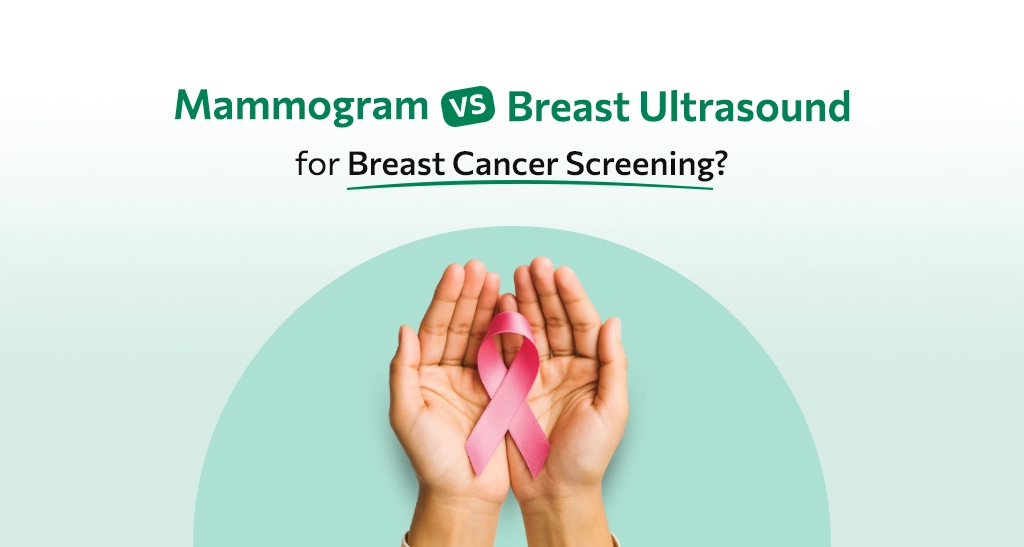
- Mammogram (Breast cancer screening) for women
- DEXA scan (to check bone density)
-
4. Ages 50 and above:
- Annual screenings for cancer, bone density, cardiovascular health, and organ health are encouraged.
- Additionally, based on your risk factors, include Treadmill tests or cardiac stress tests.
- For Men, regular screenings for lung, colorectal or prostate cancer.
- Women must undergo regular tests for reproductive and bone health like pap smear and DEXA.
Why Prevention is the Key to Good Health?
Prevention is a powerful investment you can make for the sake of your health. The benefits will outweigh the risks when it comes to spending on your preventive health checkups as you will be spared from bearing astronomic treatment costs if your disease advances beyond treatable levels.
Remaining up to date with your health screenings will help detect and address potential health risks before they become serious and improve your quality of life. Prioritise prevention today for a longer, healthier life, and a greater peace of mind tomorrow.