
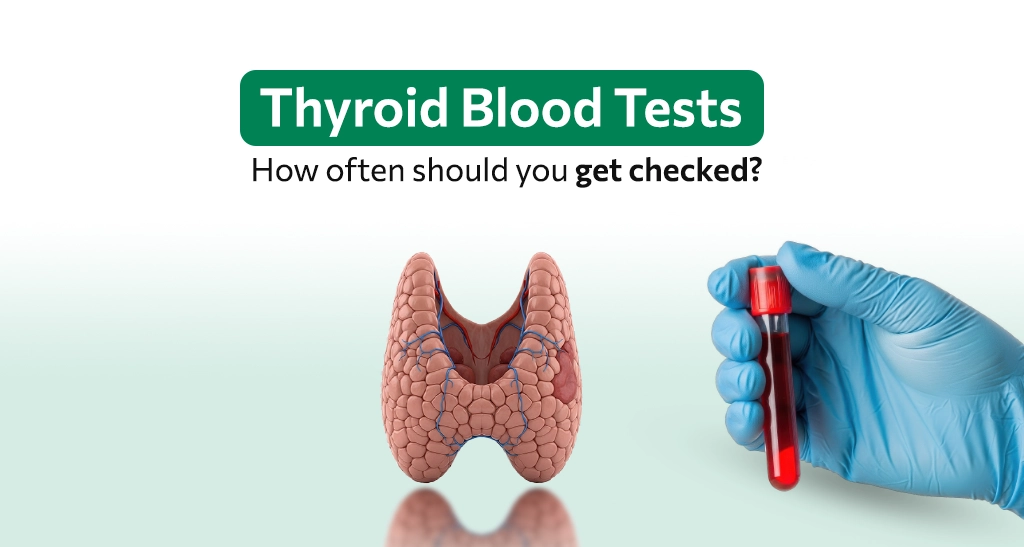
The Thyroid gland might seem small and inconspicuous but is in fact a powerhouse of hormonal activity that drives your metabolic engine and energy levels. It produces the hormones T3, T4, and TSH. A tiny disruption in its functioning may throw off your hormonal balance entirely, affecting the regulation of several metabolic pathways.
Around 40 million people in India are estimated to be living with thyroid disorders; that is approximately 10-12% of the total population. A thyroid imbalance may cause fatigue, weight changes, and brain fog, which may not be taken seriously. Listen carefully to the signs your body is giving you and opt for regular screening to help detect fluctuating thyroid levels, so you can opt for timely medical treatment.
Understanding Thyroid Hormones:
The Thyroid – a small, butterfly-shaped gland at the base of the neck – produces two key hormones, T3 and T4. This system is managed by the pituitary gland which secretes the hormone, TSH. Let’s understand what these hormones do:
- TSH (Thyroid Stimulating Hormone) – If the pituitary senses that there is not enough thyroid hormone in the system, it secretes TSH to nudge the thyroid gland to produce more thyroid hormones.
- Free T3 (Triiodothyronine) – Inactive form of thyroid circulating in the system.
- Free T4 (Thyroxine) – Active form of thyroid utilised by the cells.
These hormones work in tandem to influence the body’s key metabolic processes and energy levels. When these hormones are underproduced or overproduced, these pathways may tilt off balance, leading to several consequential symptoms.
Signs Of Thyroid Imbalance:
When the thyroid gland is dysregulated, it either starts producing more hormones or less hormones. Depending on the scenario, thyroid dysfunction is classified as follows:
Hyperthyroidism:
Thyroid gland becomes overactive and produces excess hormones. This speeds up your metabolism and puts your body into overdrive. You may see the following signs:
- Sudden weight loss
- Anxiety and Irritability
- Rapid or irregular heartbeat
- Poor sleep
- Light or missed periods
- Sensitive to heat, excess sweating
- Frequent bowel movements
Hypothyroidism:
The thyroid gland remains underactive and produces lesser hormones than the required level. This causes your metabolism to slow down and makes you feel sluggish. A few other symptoms include:
- Fatigue
- Unexplained weight gain
- Memory issues, brain fog
- Dry skin, thinning hair.
- Irregular or heavy menstrual cycle
- Cold sensitivity
- Constipation
When you experience any of these symptoms, do not dismiss it as merely a result of general stress or overwork. Look deeper, listen to your body, and get a thyroid blood test done for more answers on how to manage your condition effectively.
Recommended Tests For Thyroid Health:
Thyroid health assessment is done with a simple blood test to analyse the thyroid hormone levels in the body. A basic thyroid panel consists of tests to check TSH, T3, and T4 levels:
- TSH test – Usually the first test advised for thyroid issues, as this hormone influences T3 and T4 as well.
- Free T4 test – Shows the amount of hormone being released by the thyroid gland.
- Free T3 test – Used to diagnose hyperthyroidism and monitor T4/TSH for adjusting treatment protocols.
- Thyroid Antibodies (TPOAb/TgAb) – Recommended if an autoimmune thyroid disease like Hashimoto’s thyroiditis is suspected.
These tests along with other basic assessments and medical and lifestyle history will let your physician form a clear picture of your thyroid health.
Who Should Get Regular Thyroid Screening Done?
A thyroid panel may not be needed for all, but certain individuals may need regular screening due to their age or medical history. It is a good idea to include this test in your regular health screening plan and not wait until you experience the symptoms to get tested. So, who should get their thyroid health screened regularly?
- People with a family history of thyroid disorders.
- Women aged above 35.
- Women who are pregnant or post-partum.
- Individuals experiencing fertility issues.
- Those under certain medications like lithium.
- People with certain autoimmune diseases like Type 1 diabetes.
- Anyone who has experienced high radiation levels in chest and neck areas.
Thyroid Screening: How Often Should One Get Tested?
When it comes to screening for a medical condition, preventive diagnostics is always the way to go. So, how often should you get yourself screened for thyroid? This depends on your age, preexisting health condition, and any ongoing treatment plans:
- Women over 35 – test every 5 years.
- Experiencing thyroid symptoms – test once, repeat on doctor’s advice.
- Pregnancy – every trimester.
- History of thyroid issues – repeat every 6-12 months.
- Taking thyroid medication – repeat every 6-12 weeks until levels become normal.
Before scheduling a thyroid test, bear these points in mind:
- Test your thyroid in the morning because that’s when the hormone levels peak.
- Although fasting is not necessary, certain foods and medications may interfere with the test results, so it is better to skip it altogether before giving your sample.
Concluding Thoughts:
Stop fighting fatigue. Look closer at the root cause. It might be your thyroid seeking attention. When it comes to thyroid, do not wait for the symptoms to show up; it usually means the disorder has already started digging in deep.
A preventive screening done at regular intervals will help you track your thyroid levels and seek immediate intervention in case you notice any changes. A quick diagnosis will give you a better chance of managing the condition without affecting your quality of life.