Ageing is a natural process and to age gracefully is a gift. However, with advancing age, your bodies become more vulnerable to illnesses and other medical conditions. Studies have shown that around 93% of senior adults are facing at least one health condition. Most of these health conditions might have been quietly building up within you over the years. With age, the impact of these diseases becomes increasingly severe with certain conditions leading to complete loss of independence and autonomy .
It is highly essential to maintain the delicate health of Senior Citizens, so they can age gracefully in their twilight years. Full-body health screenings will give seniors a comprehensive report of their health condition, helping detect any potential health risks, ensuring timely treatment, and better quality of life.
What Are Some Potential Health Risks Faced By Seniors?
As people age, several natural changes take place in the body that influence health and increase the chance of developing diseases and disorders. These are:
- Slower cell repair.
- Reduced organ efficiency.
- Metabolic changes.
- Weakened immunity.
Depending upon the system affected by these changes, the following health conditions may start presenting in the elderly:
- Cardiovascular issues – Hypertension, Coronary Artery Disease.
- Metabolic disorders – Diabetes.
- Bone, joint, mobility issues – Osteoporosis, Osteoarthritis.
- Neurological issues – Cognitive decline, Dementia, Alzheimer’s disease.
- Mental health issues – Anxiety, Depression.
- Vision and hearing problems.
- Digestive issues – Constipation, indigestion.
- Urinary issues – UTI, incontinence, frequent urination.
Why Seniors Should Undergo Regular Screenings?
With advancing age, a person’s body becomes less capable of combating diseases by itself due to reduced immune response. It is estimated that around 70% of people over 70 are at risk of developing cardiovascular diseases. Diabetes is prevalent in around 19.3% of seniors above the age of 65.
With these alarming facts, preventive healthcare for seniors has become more necessary than ever. So, what is the significance of regular health screenings for seniors?
- Early detection of age-related diseases.
- Regular monitoring of chronic illnesses.
- Better management of existing health conditions
- Adapting to evolving health changes.
- Increase overall life expectancy.
Regular health screenings will ensure that any significant changes in the body are caught before the signs show up. Early detection helps in effective prevention, treatment, and management of any illnesses while keeping up with the evolving health needs of the elderly.
Comprehensive Full-body Tests Recommended For Seniors
A comprehensive medical examination for senior citizens covers a multitude of tests and scans to check out the various health markers that are significant in determining the overall health status of a person.
1. Blood Investigations:
- Complete Blood Count (CBC) – Checks for anaemia, infections, immunity.
- Liver and Kidney Function Tests (LFTs, KFTs) – Evaluates organ health and function.
- Blood Glucose (Fasting and Post-prandial) – Checks for diabetes.
- Lipid Profile – Measures cholesterol levels, assesses cardiac risk.
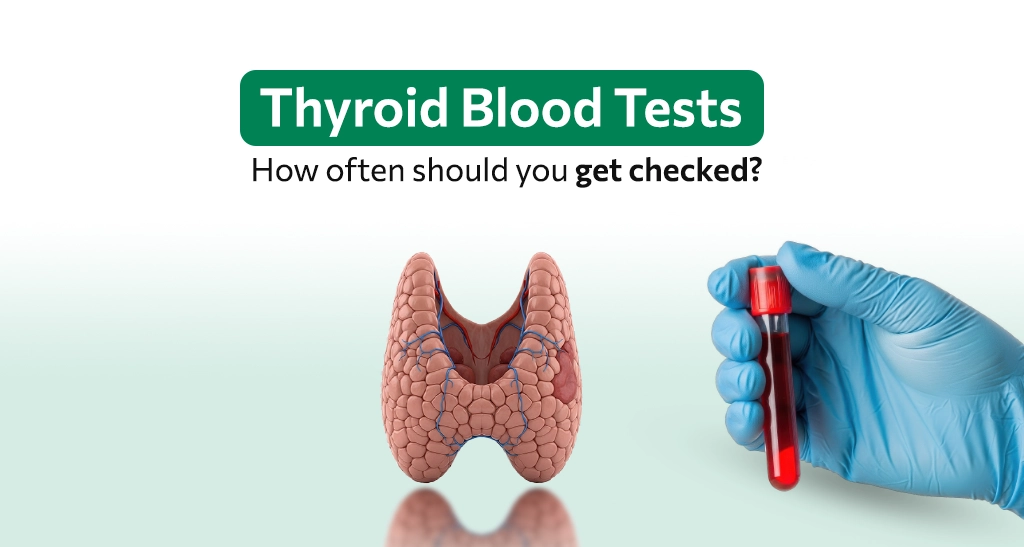
- Thyroid Panel – Detects thyroid insufficiencies.
2. Heart and Lung Examinations:
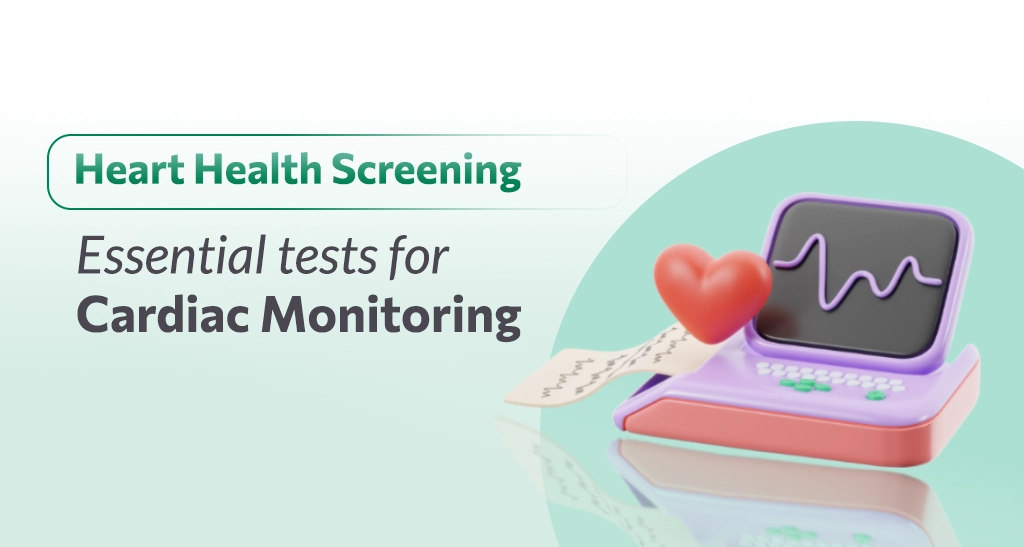
- Electrocardiogram (ECG) – Monitors heart rate and rhythm.
- Echocardiogram – To understand heart function.
- Chest X-ray – To check lung functioning and screen for diseases.
3. Bone and Joint Health Screening:
- Vitamin D and Calcium Test – To assess bone strength and mineralization.
- DEXA Scan – Determines bone density, identifies osteoporosis risk.
4. Cancer Screening:
For Men:
- PSA Test – To check for Prostate cancer.
- LDCT Scan – Early screening for lung cancer in smokers.
For Women:
- Mammogram – To screen for breast cancer.
- Pap Smear – To check for cervical cancer.
5. Urine and Stool Tests:
- Urine Analysis & Microscopic exam – To check for infections or kidney issues.
- Stool Test – To detect infections or issues in the digestive tract.
6. Basic Health Checkup:
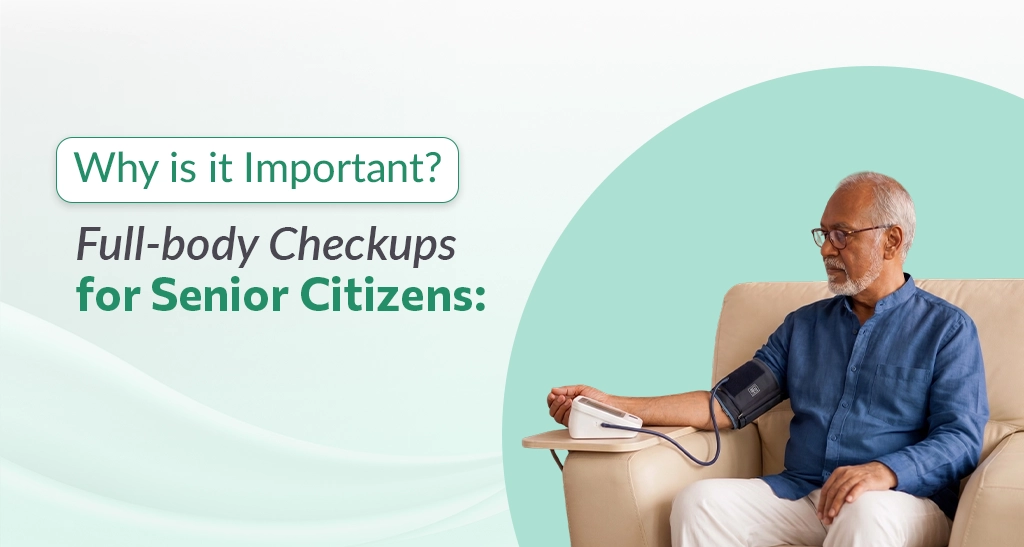
- Blood Pressure monitoring – To check for hypertension.
- Pulse Rate and Oxygen levels – To monitor efficiency of heart and lungs.
- Body Mass Index (BMI) – To assess obesity-related risks.
- Eye check – To assess vision problems, cataracts, or glaucoma.
- Dental exam – To check oral and gum health.
- Auditory tests – To determine hearing capacity.
The Bottom Line
Regular health screenings provide a critical tool in disease prevention and management, ensuring that senior citizens lead a healthier and fulfilling life. A full-body assessment will flag any underlying disease, ensuring timely treatment. Preexisting conditions can be tracked to ensure proactive management strategies. Timely screenings, paired with a healthy lifestyle, proper sleep, mental health care, and physical activity will ensure your elderly loved ones spend their twilight years with dignity.