Prostate cancer is a type of cancer that starts in the walnut-shaped prostate gland. This gland is an integral part of a man’s reproductive system. Prostates make PSA protein, usually found in semen, but it releases a very small amount in the blood. Prostate-specific antigen is a popular screening tool that detects PSA in the blood of individuals suspected of prostate cancer. Prostate cancer ranks as the second most common cancer in men, and risk factors such as aging, a high-fat diet, and a family history of the disease can contribute to elevated PSA levels. Elevated PSA levels may prompt further investigation through a prostate biopsy to confirm the diagnosis. Regular PSA-total testing is essential for early detection and effective management of prostate health.
Prostate cancer, if left undetected, can pose a significant risk to life. Some of the symptoms of high PSA levels include difficulty in urination, especially painful or frequent urination, blood in urine or semen, weak or interrupted urine flow, difficulty holding urine, painful ejaculation, and persistent pain in the back area. Certain factors can raise the chances of getting prostate cancer, such as
- If you have a family history,
- If you’re overweight or obese,
- Ethnicity
Understanding PSA Tests
If your initial PSA levels raise concerns, hence your doctor may suggest a follow-up test to confirm the results.
A persistently elevated PSA level may lead to ongoing PSA tests and other exams to monitor any changes in your prostate health over time.
Your doctor may order different types of PSA tests, including Free PSA, which can further help determine if a prostate biopsy is necessary. Free PSA measures PSA that is not bound to proteins in the blood. However, lower levels of free PSA may indicate a higher risk of prostate cancer. Other options include Prostate Total or PSA Profile tests.
Additionally, If suspicions of prostate cancer persist, a prostate biopsy might be recommended to provide a clearer understanding of your condition.
PSA testing, along with other results, is for
- It helps in determining the prostate cancer stage.
- If elevated PSA levels are found, it prompts additional scans, tests, or prostate cancer treatments.
- Guides the treatment process
- Assesses treatment efficacy and checks how well treatments are working
- It also plays a role in monitoring post-treatment needs and ensuring a proactive approach to ongoing care.
When elevated levels are detected, your doctor may recommend few more tests to get a comprehensive picture, such as
- Free PSA Test
- PSA Total
- PSA-based Blood Markers
- Acid Phosphatase
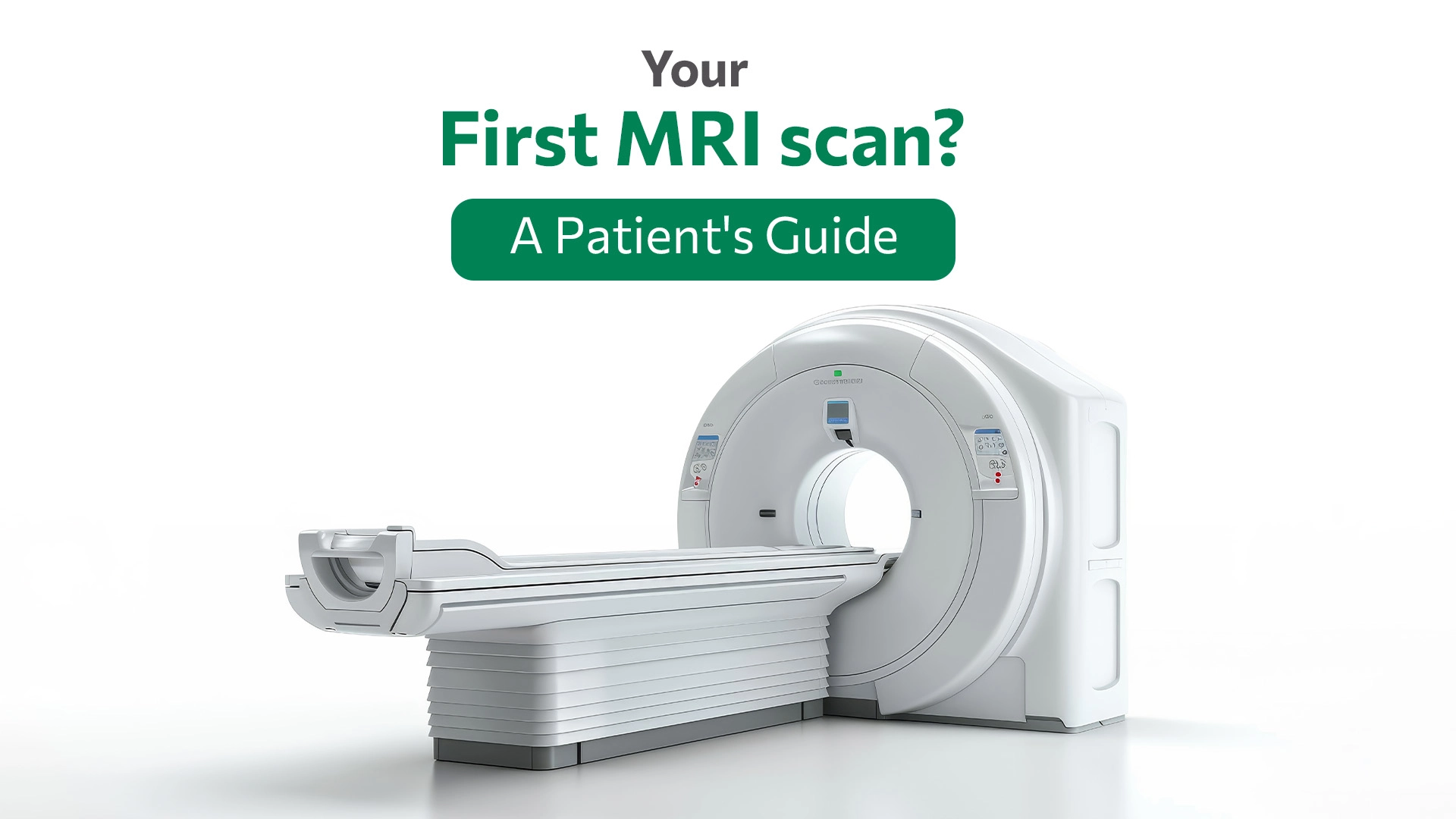
- MRI Prostate
- Prostate Biopsy
To summarize, the role PSA tests play in prostate cancer is immense. PSA tests are proactive in the diagnosis as well as the treatment of prostate cancer. If you’re a man above the age of 40, you can take a PSA test to check for prostate health and be free from the risk of prostate cancer. Book your appointment for PSA test at Aarthi Scans and Labs now!