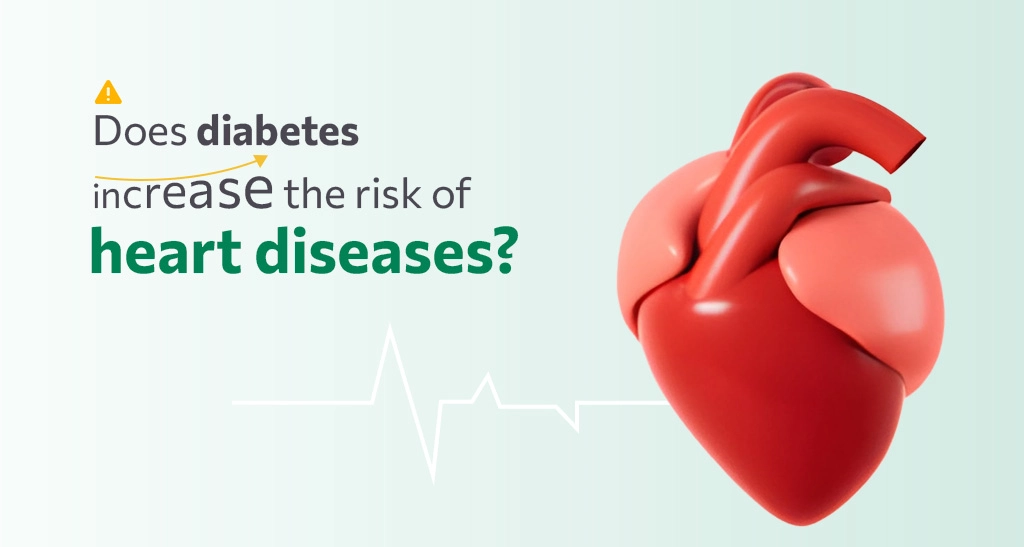
Diabetes and heart disease often coexist; it has become a significant health concern as both conditions are on the rise. Individuals with diabetes face a significantly higher risk of heart complications or experiencing a stroke compared to those without diabetes, and this risk can manifest at a younger age. Moreover, the longer one lives with diabetes, the higher the likelihood of developing heart disease.
This blog aims to explore the link between diabetes and heart disease, explaining how diabetes can increase your risk and what measures you can take to mitigate it.
How does diabetes contribute to heart diseases?
Heart disease encompasses various conditions that affect the heart, including coronary artery disease, which is the most prevalent type and impacts blood flow to the heart.
Diabetes contributes to heart complications by elevating blood sugar levels, leading to damage in the blood vessels. Elevated blood sugar levels, even slightly high, can initiate the process of vascular damage. When the body struggles to utilize sugar efficiently, excess sugar adheres to red blood cells, accumulating in the bloodstream. The accumulation of sugar in the bloodstream can obstruct and harm the vessels responsible for transporting blood to and from the heart, depriving the heart of essential oxygen and nutrients.
Maintaining blood sugar levels as close to the target HbA1c level as possible is crucial for protecting blood vessels and mitigating the risk of heart complications. Even mildly elevated blood sugar levels over time can significantly increase the risk. Additionally, diabetes predisposes individuals to other conditions that elevate the risk of heart disease, such as high blood pressure, high LDL cholesterol, and low HDL cholesterol.
How do you effectively manage heart conditions?
Implementing lifestyle changes can mitigate the risk of heart disease and effectively manage diabetes. Adopting a nutritious diet rich in fresh fruits, vegetables, lean proteins, and whole grains while reducing processed foods and trans fats can promote heart health. Achieving and maintaining a healthy weight through modest weight loss can lower triglycerides and blood sugar levels. Engaging in regular physical activity enhances insulin sensitivity, controls blood sugar levels, and lowers the risk of heart disease. Managing diabetes entails monitoring A1C levels, blood pressure, and cholesterol levels regularly.
Stress management is also essential for heart health and diabetes management, as stress can elevate blood pressure. Seeking support from mental health professionals, practicing relaxation techniques, engaging in physical activity, and cultivating a strong support system can help manage stress levels.
Regular medical check-ups, including monitoring HbA1c, cholesterol, and blood pressure levels, are integral components of diabetes management and heart disease prevention.
By incorporating these strategies into their lifestyle, individuals can reduce the risk of heart disease complications and effectively manage diabetes while prioritizing overall health and well-being.
Understanding the connection between these conditions and taking proactive steps towards management, you can significantly improve your overall health and well-being.