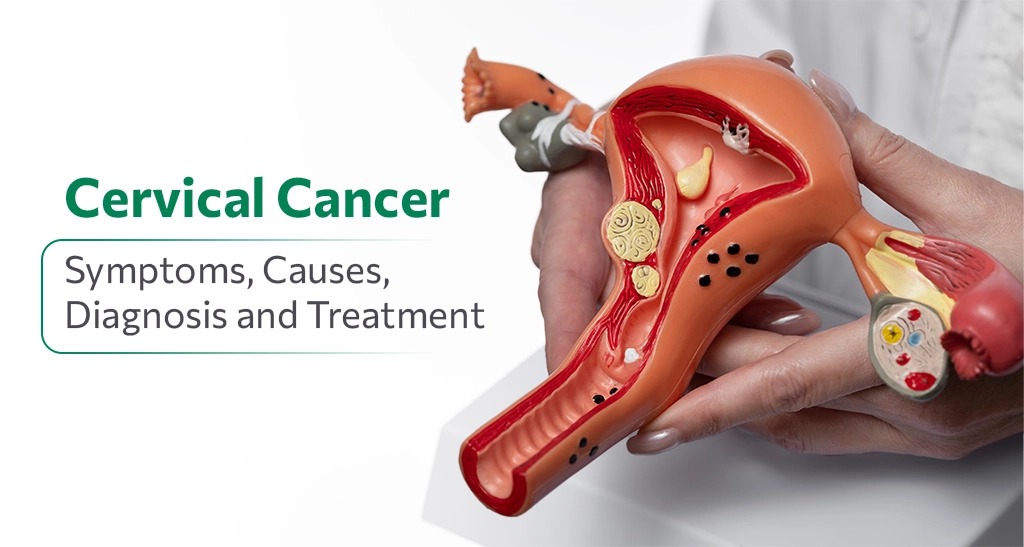
Cervical cancer ranks as the fourth most common cancer among women worldwide. Originating on the inner surface of the cervix, this disease manifests as abnormal growth in its lining. The cervix, often described as the bridge between the uterus and vagina, is the point where the uterus ends, and the vaginal canal begins.
Primarily categorized into two types – Adenocarcinoma and Squamous Cell Carcinoma – cervical cancer predominantly consists of Squamous Cell Carcinoma, accounting for 80% to 90% of cases, while Adenocarcinomas make up the remaining 10% to 20%.
One of the leading causes of cervical cancer is the human papillomavirus (HPV), with approximately eight out of 10 women contracting genital HPV at some point in their lives. However, it’s essential to note that not all HPV infections lead to cervical cancer, as only specific HPV types pose this risk.
Let’s explore more about cervical cancer, shedding light on its causes, risk factors, prevention strategies, and the importance of regular screenings. Let’s raise awareness and empower women to take charge of their cervical health
Causes
Cervical cancer stems from the presence of Human Papilloma Virus (HPV), a common sexually transmitted infection affecting the skin, throat, and genital area. While most individuals contract HPV at some point, they do not cause any symptoms. Only persistent infection with high-risk HPV strains can lead to abnormal cell growth, eventually leading to cancer. In fact, untreated HPV infections account for 95% of cervical cancer cases.
What is cervical precancer?
Before the onset of cervical cancer, there’s a phase known as cervical precancer. This is when cervical cells display abnormal characteristics without fully developing into cancerous cells. It’s detected through a Pap test and since the precancer typically presents no symptoms, which is why regular screenings are important for early detection and intervention.
Role of HPV Vaccination
Vaccination against HPV is administered between ages 10-14. It plays a crucial role in cervical cancer prevention. By immunizing at an early age, individuals can significantly reduce their risk of developing the disease later in life. It can also be administered in women before the age of 26.
Early signs to watch for
Cervical cancer often manifests through certain identifiable symptoms, including abnormal vaginal bleeding between periods, unusually heavy menstrual bleeding, pain during intercourse, post-coital bleeding, pelvic pain, and changes in vaginal discharge color or odor. Vaginal bleeding after menopause also warrants prompt medical attention, as it could signal an underlying issue.
Navigating Treatment Options
Treatment for cervical cancer varies based on its stage and severity. Some of the treatment options include surgery, radiation therapy, chemotherapy, targeted therapy, and immunotherapy.
Empowered with knowledge about cervical cancer causes, symptoms, and treatment modalities, individuals can take proactive steps towards safeguarding their cervical health and overall well-being. Through regular screenings, vaccinations, and timely medical intervention, we can collectively strive towards a future free from the burden of cervical cancer.