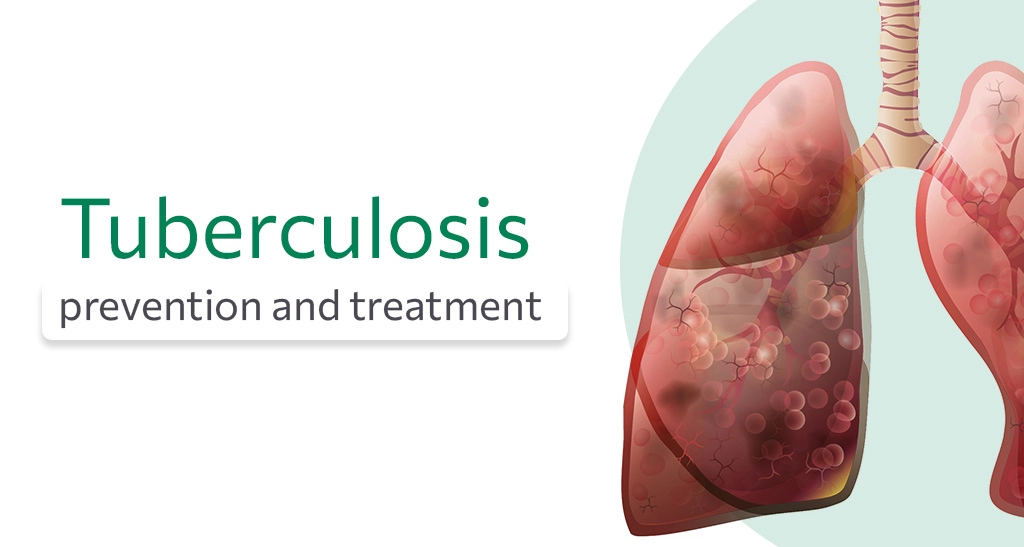
Did you know that tuberculosis has been around for over 3 million years?
This bacterium has a long history, with evidence of the disease dating back to ancient civilizations like Greece and Rome. Once referred to as “consumption,” tuberculosis was a leading cause of death in many countries and remains an epidemic today. According to the World Health Organization (WHO), it ranks as the 13th leading cause of death globally and is the second most common infection following COVID-19.
Tuberculosis, caused by the bacterium Mycobacterium tuberculosis, primarily affects the respiratory system. While tuberculosis has been largely eradicated in developed nations, it still poses a significant burden in developing countries. Mycobacterium tuberculosis spreads through the airways, often without causing symptoms. Even when latent, the infection can spread to other organs, leading to complications. India bears the highest global burden of tuberculosis, with the disease capable of affecting various body parts, including the lungs, kidneys, spine, and brain.
Tuberculosis is particularly prevalent in developing nations across Asia and Africa. Individuals with HIV/AIDS and weakened immune systems are at heightened risk of tuberculosis, as their bodies lack the necessary defenses to fight the bacteria. Despite advancements in healthcare, tuberculosis continues to afflict millions worldwide, but there are ongoing efforts to combat the disease and support affected communities.
How does TB spread?
Tuberculosis (TB) primarily spreads through direct contact between individuals. When an infected person coughs, sneezes, or speaks, tiny droplets containing TB bacteria can be released into the air, potentially infecting others nearby. Being in proximity with an infected person for a prolonged period increases the risk of transmission. Understanding how TB spreads is crucial in implementing preventive measures and safeguarding against its transmission.
Diagnosis and Treatment
Detecting TB involves various diagnostic tests to confirm the presence of the infection. Sputum tests, which examine samples of mucus coughed up from the lungs, are commonly used to diagnose TB. Doctors may conduct a series of blood tests to assess immune response and perform imaging tests such
as CT scans to identify TB-related abnormalities in the body. Prompt diagnosis is essential for initiating timely treatment and preventing the spread of TB to others.
How to effectively manage TB?
Effectively managing TB requires a comprehensive approach that encompasses diagnosis, treatment, and ongoing care. Upon diagnosis, individuals with TB receive treatment tailored to their specific condition. Treatment typically involves a combination of antibiotics taken over several months to eradicate the bacteria from the body. Adhering to the prescribed treatment regimen is vital to ensure successful recovery and prevent the development of drug-resistant strains of TB. Additionally, individuals with TB may benefit from supportive care, including nutritional support and monitoring for potential complications.
In conclusion, tuberculosis remains a significant global health concern that needs collective efforts to eradicate. Understanding the transmission of TB and employing effective diagnostic and treatment strategies are pivotal in addressing the disease. By raising awareness, promoting early detection, and providing access to quality care, we can work towards reducing the impact of TB on individuals and communities worldwide.